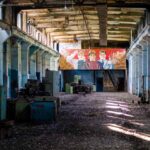
Nobody knows where this bunker is until the coordinates arrive on Telegram. It stands in an industrial area about forty minutes by train from Riga, and once a year, usually in September, groups of Latvian urban explorers open its underground levels for an evening of electronic music. The location stays secret until the last moment, and only those who receive the message learn where to go. Latvia inherited a great many underground structures from the decades it spent inside the Soviet Union, among them command posts and shelters. Some have become museums, like the one at Līgatne, while others were simply left behind. This one has found a second use of a very different kind, and much of what filled it in its first life is still there. I went to the edition of July 2023, while I was living in Latvia for an eight-month project.
Historical Context
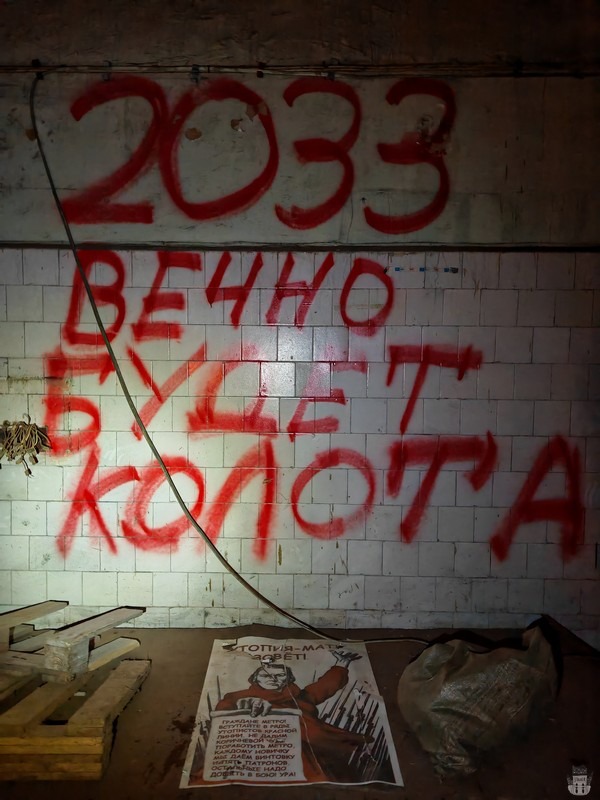
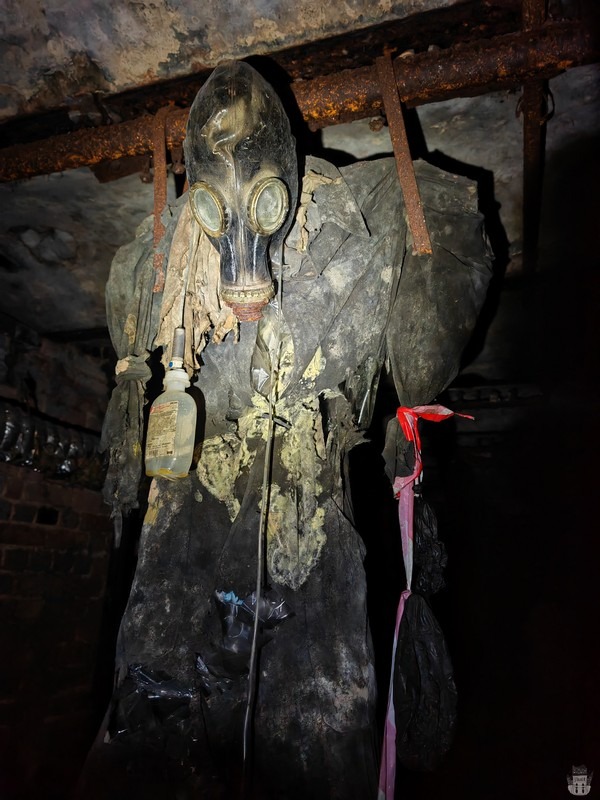
No source consulted names this bunker, and no record of its construction, ownership or closure could be traced, so its date and original function remain undocumented. My own assumption on site was that it dates either from the Soviet period or from the world wars. The protective suits, gas masks, posters and school books still lying in the underground are consistent with the civil defence system the Soviet Union maintained for decades. That is the most likely context for a structure of this kind, although it remains an inference and not a documented fact.
Shelters Beneath the Workplace
After 1944, and for almost half a century, Latvia was administered as the Latvian Soviet Socialist Republic, and its territory was folded into the Soviet system of civil defence. The system had its roots in Osoaviakhim, the paramilitary society founded in 1927 to train the population, with civil defence among its main tasks. Systematic shelter building and compulsory instruction began during the Second World War, and from the late 1940s anti-aircraft units were attached to factories to defend them against strategic bombing. By the early 1970s the programme had gained new weight: the head of civil defence ranked as a deputy minister of defence, and each union republic had a general officer at the head of its own organisation. By 1989, according to Western assessments, its stated aim was to protect the leadership and the population and to guarantee that production of war matériel could continue through a nuclear or protracted conventional war.
Shelters were classified by hardness, from metro systems and underground factories at one end of the scale to detached shelters and basement shelters, built under apartment blocks and public buildings, at the other. A 1982 Soviet civil defence film shows what such spaces were meant to do: the fitting of gas masks, the issuing of protective equipment, the checking of protective suits and, in peacetime, the use of shelters as warehouses.
The Other Kind of Bunker
Not every Soviet shelter served the same people. The bunker at Līgatne, some 75 km from Riga, was built in the 1980s beneath a sanatorium for the republic’s communist leadership and kept secret until 2003. According to Western assessments of the late 1980s, civil defence operated about 1,500 underground shelters intended for 175,000 senior party and government officials. A bunker in an industrial area, holding protective suits, gas masks, school books and furniture, more probably belongs to the far larger category of shelters attached to workplaces and public buildings, where staff and residents would have sheltered. No document confirms this.
After 1991
With the dissolution of the Soviet Union in 1991 and the restoration of Latvian independence, structures of this kind lost the purpose for which they were built. As in other former Eastern Bloc countries, many shelters were abandoned with their emergency equipment still inside, and they survive as unplanned archives of Cold War civil defence. When and why this particular bunker was abandoned is not documented in the sources consulted. The objects still inside it suggest it was never fully cleared.
What We Found
Music Among the Gas Masks
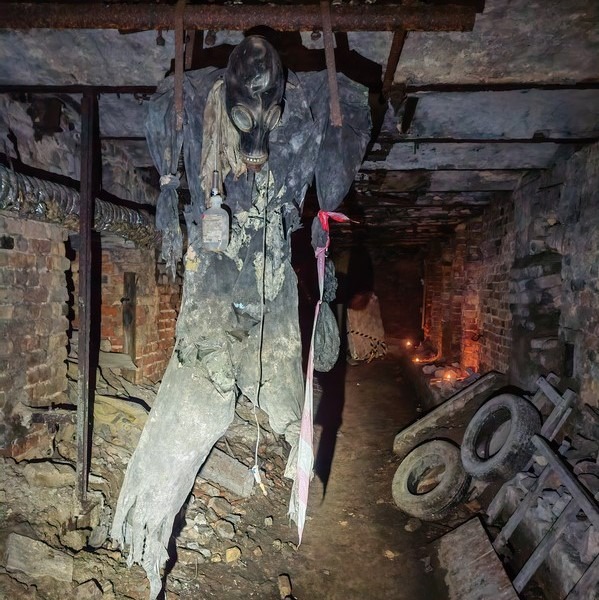
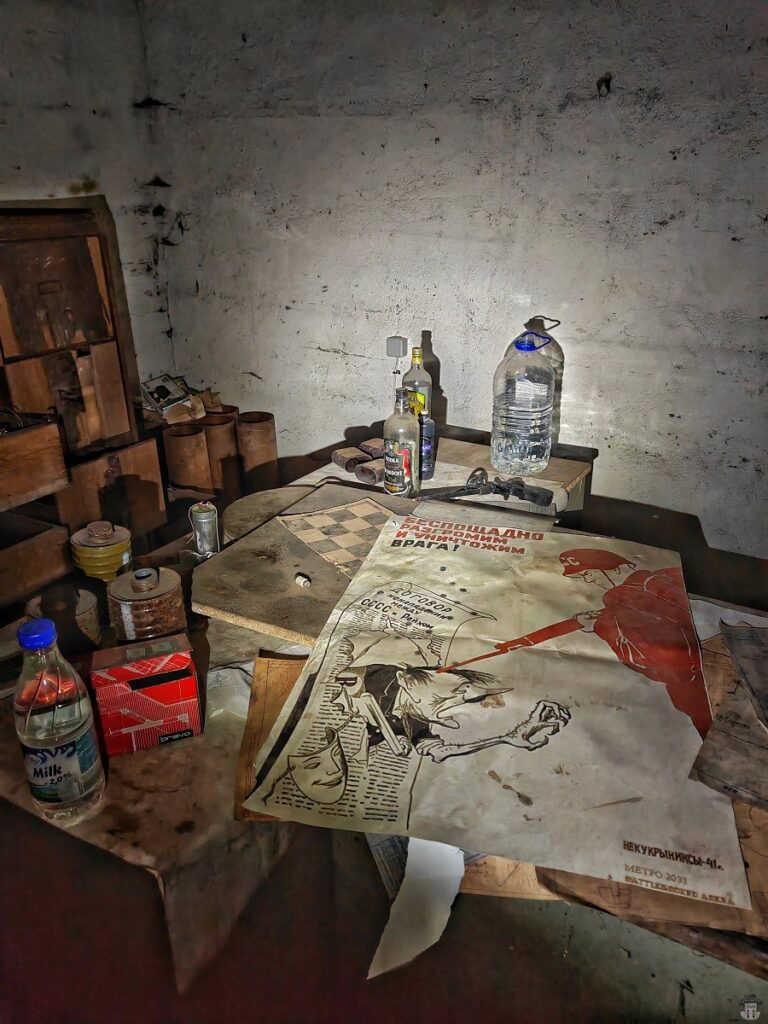
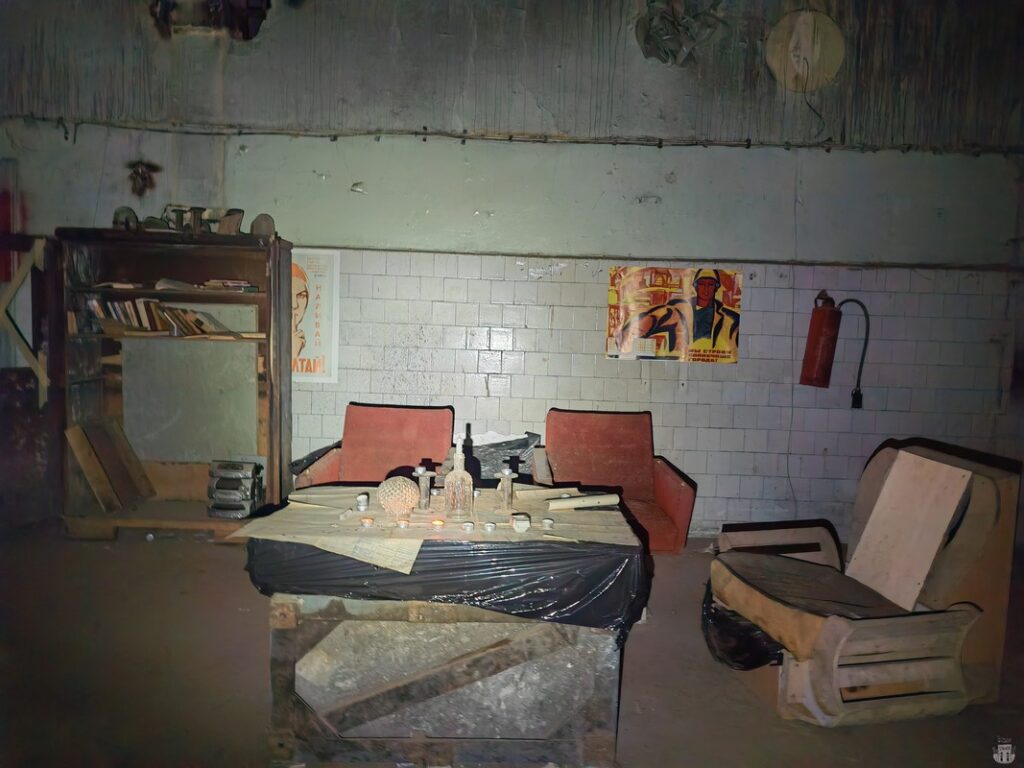
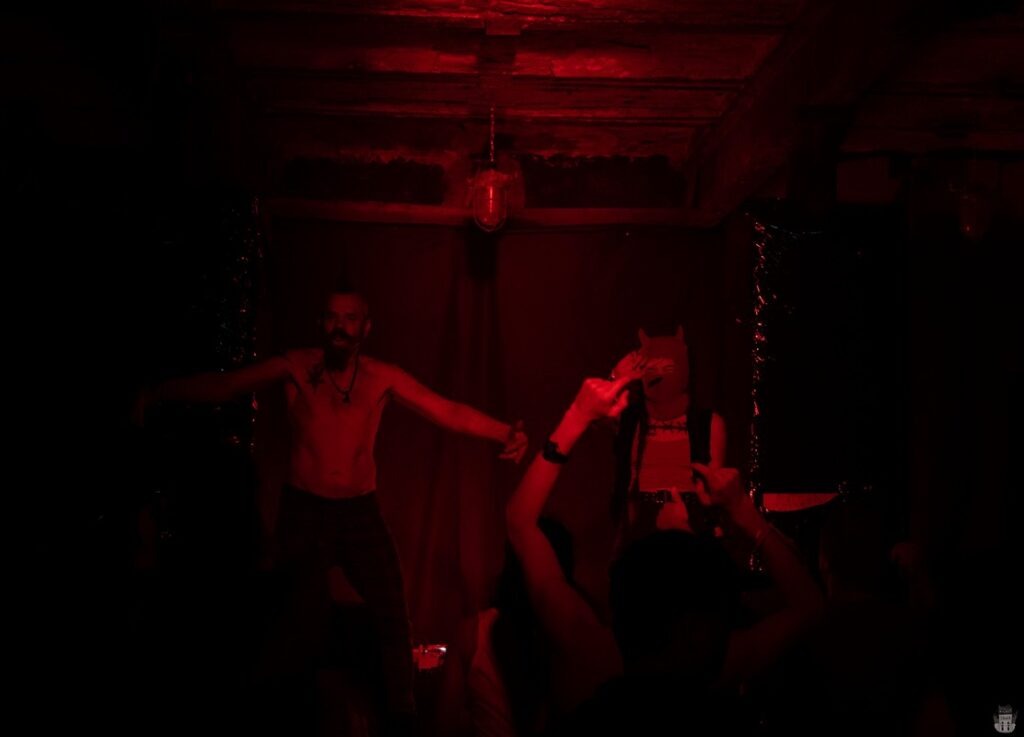
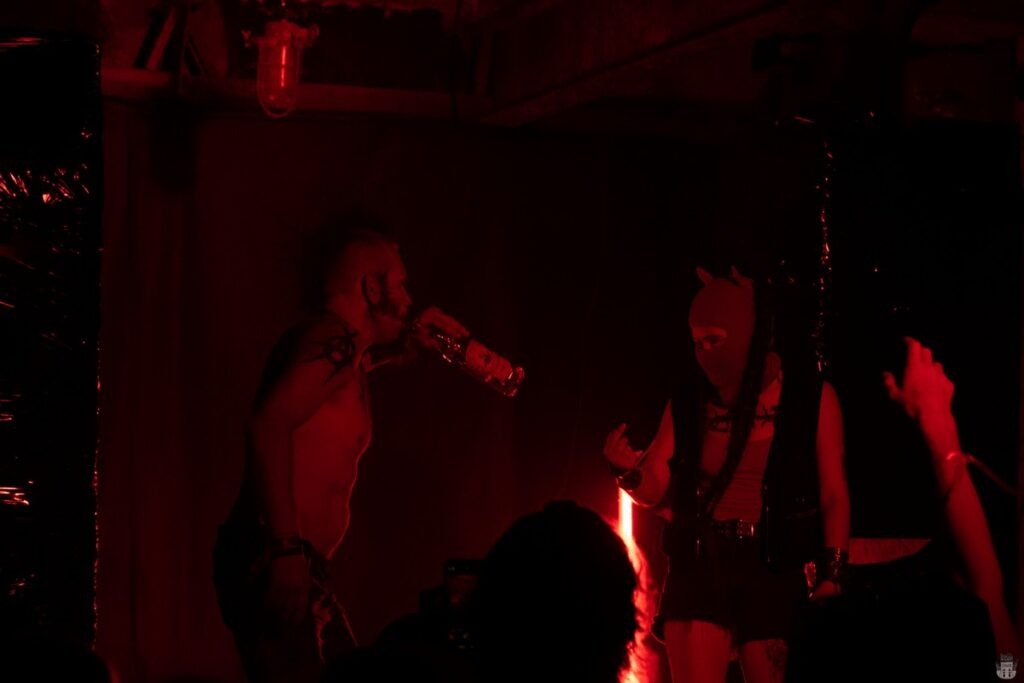
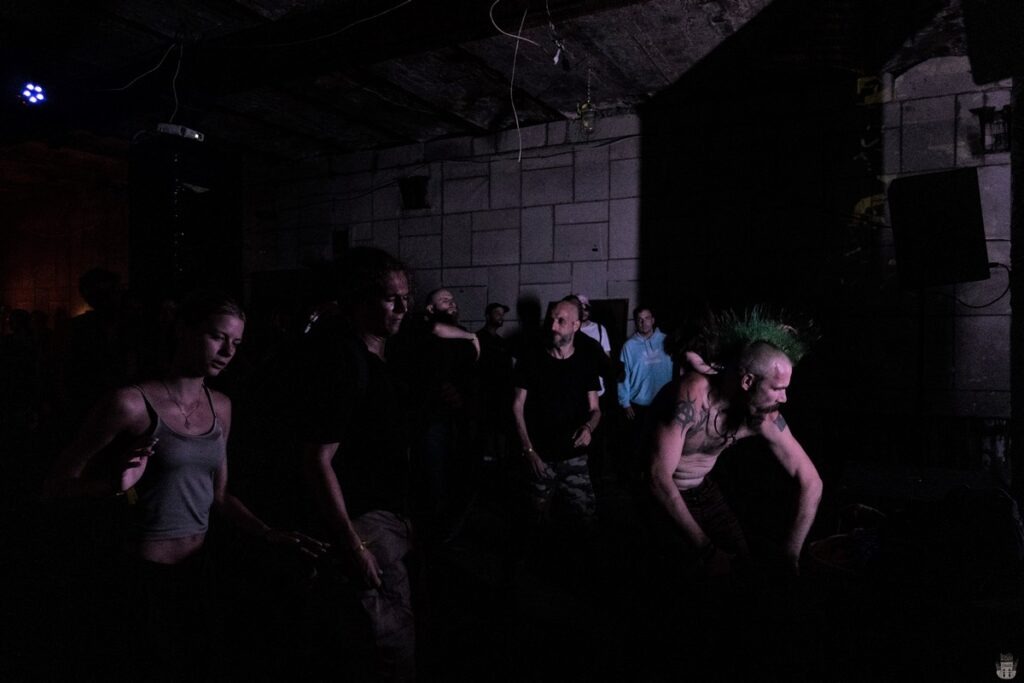
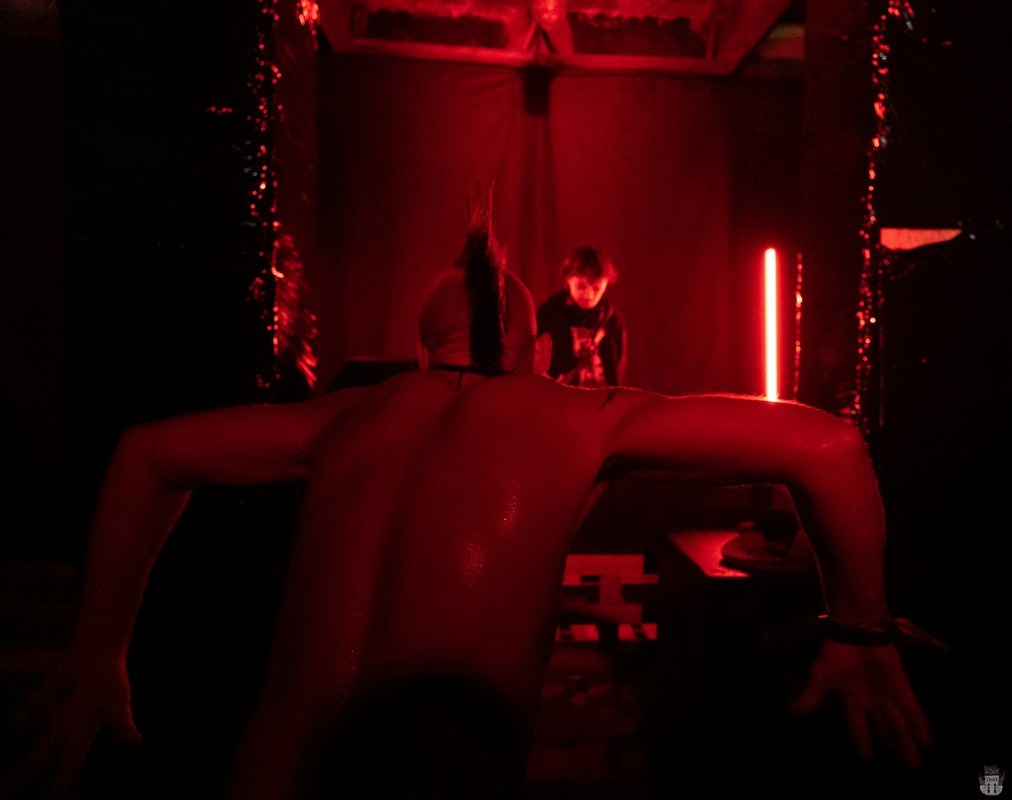
Inside these bunkers, in the underground levels, DJs are invited and people listen and dance mainly to electronic music, dnb and techno. Before the event starts there are usually tours of the underground levels, where many objects have been left behind: you can come across school books, bottles of alcohol, posters, furniture and a lot of protective suits and gas masks. For those who haven’t already done so, I recommend reading my article about the gas mask tip, also near Riga.
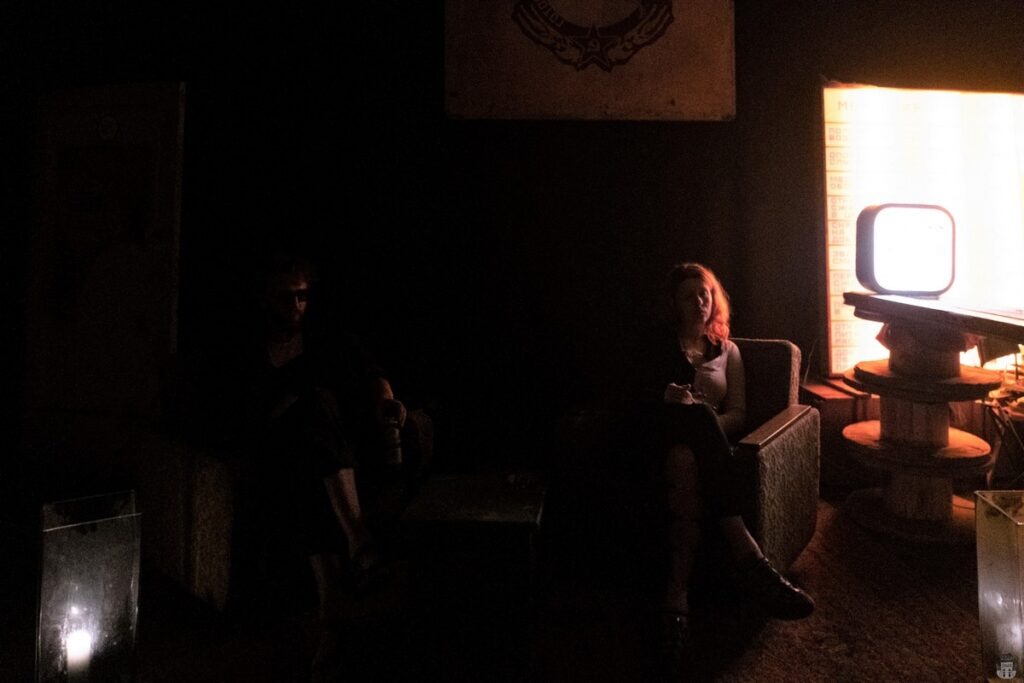
Guides and Candles
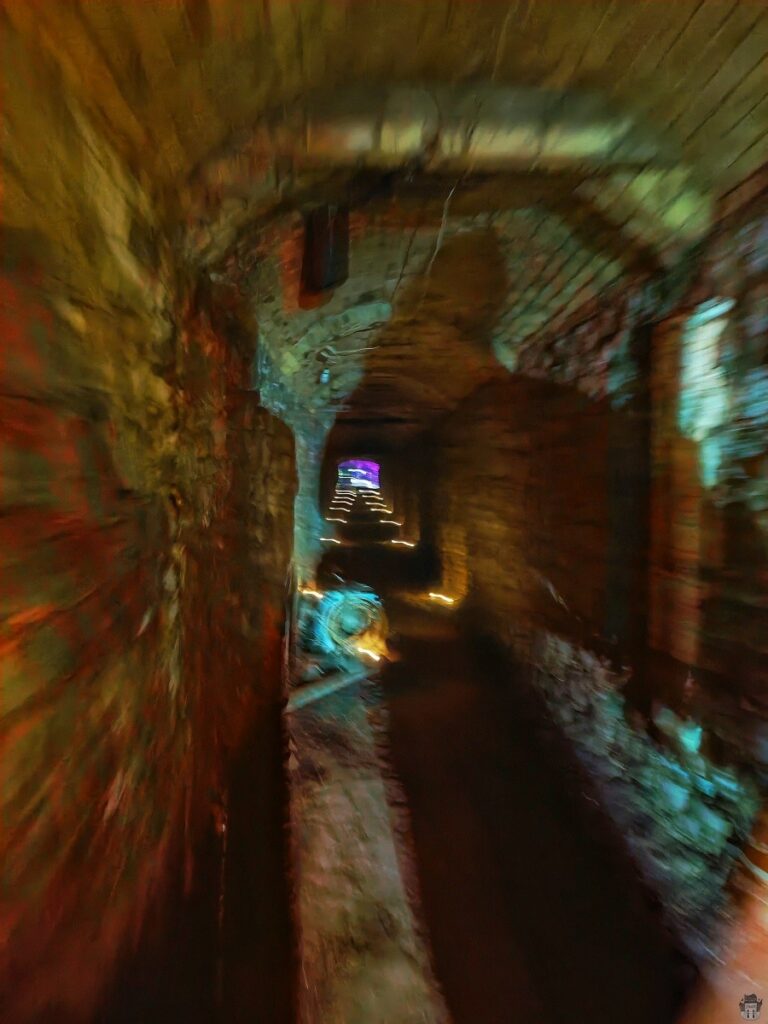
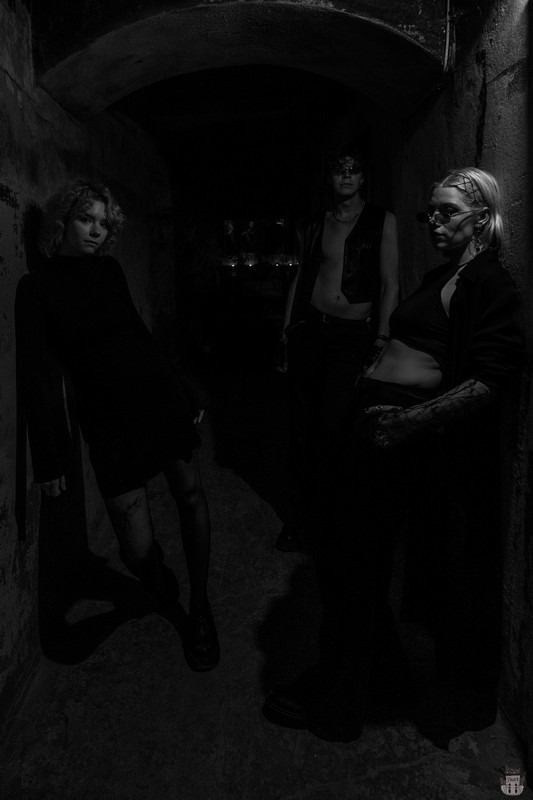
The groups are led by guides, because you risk getting lost or, even worse, hurting yourself. In the long, dark corridors everything is lit by numerous candles placed along the side of the passage.
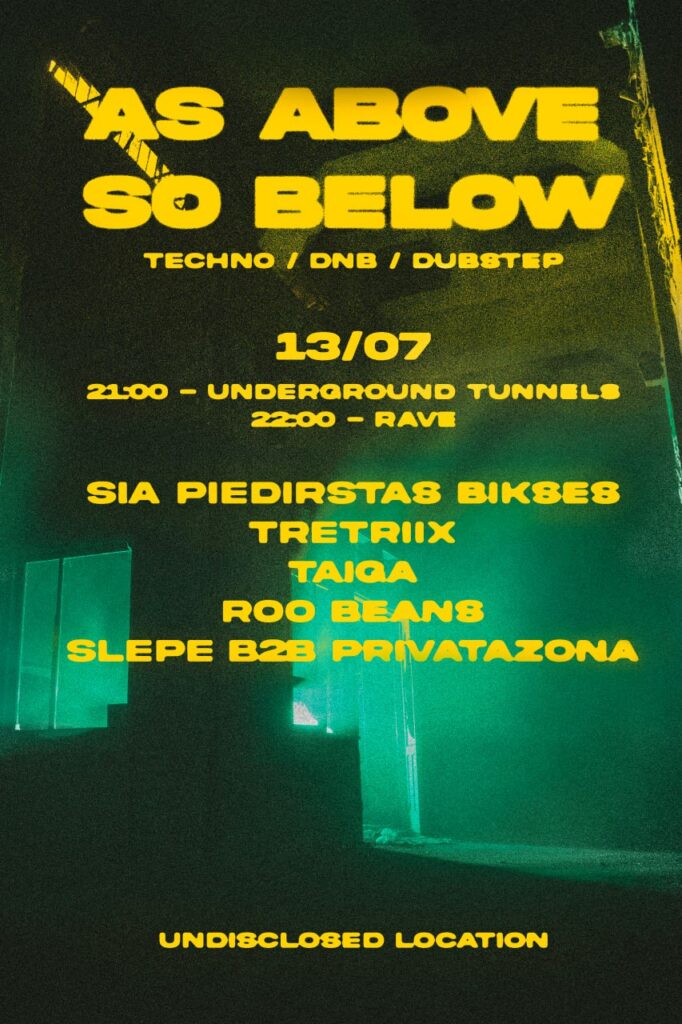

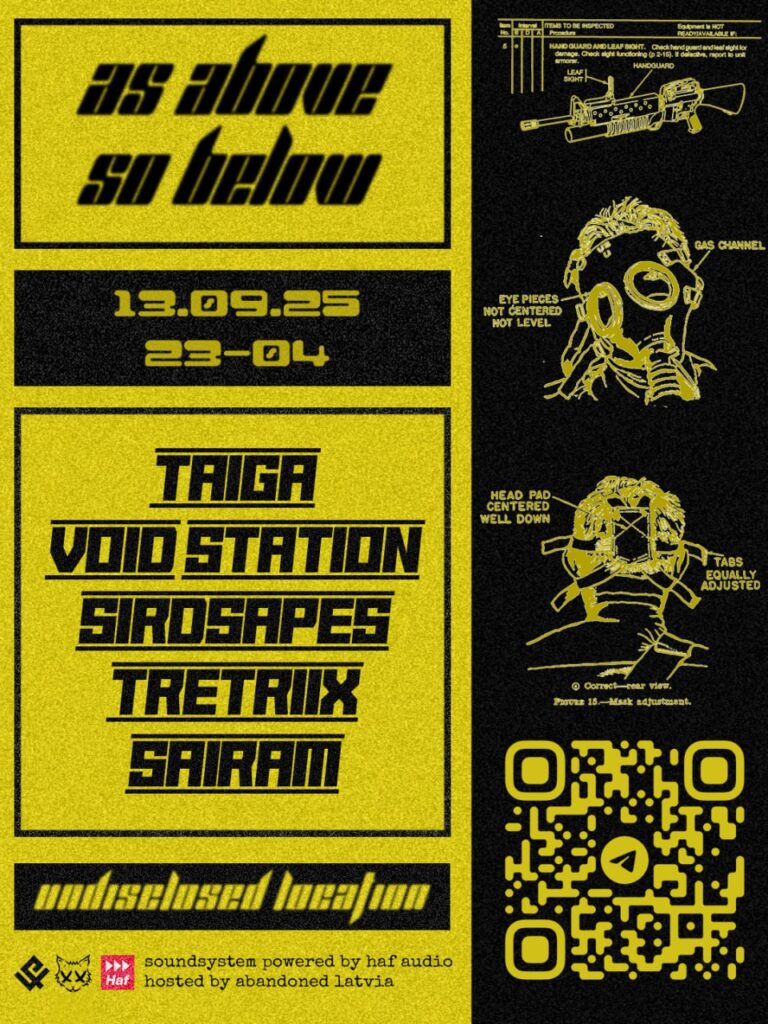
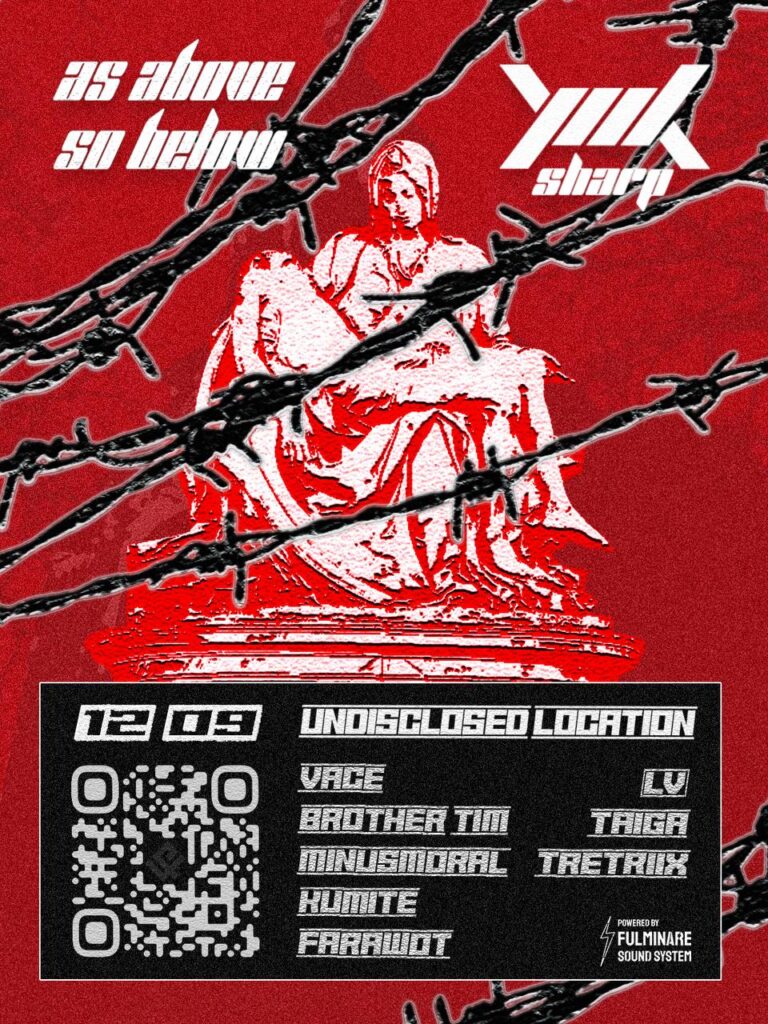
July 2023 and a Tent in the Forest
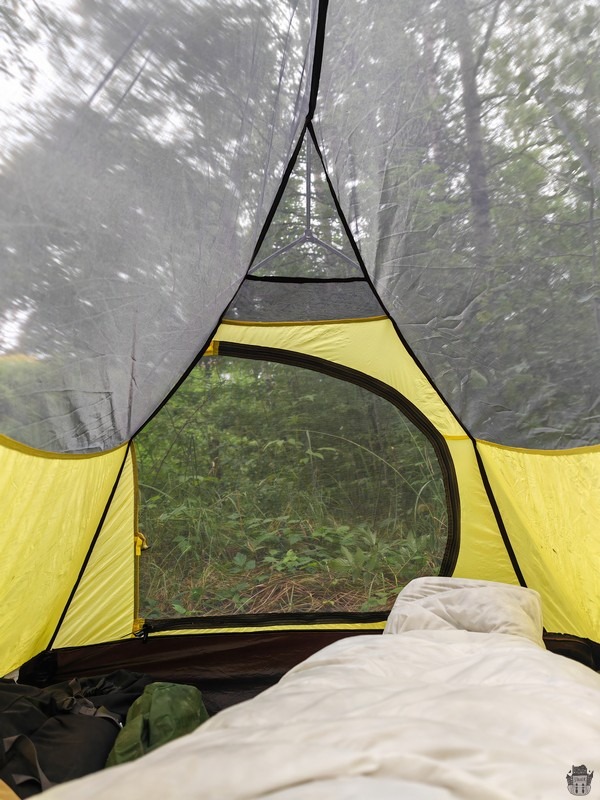
The event takes place once a year, usually in September. I only went to the one in July 2023, but I liked it a lot and wanted to tell this story. That night, since I had no way of getting back to Jēkabpils (where I was doing my eight-month project), I walked for about half an hour away from the industrial area where the bunker was and pitched my tent in the forest.
Current Status
As of October 2026, no public documentation of this bunker could be found. Searches in English and Latvian for underground music events in abandoned bunkers near Riga returned only unrelated events and the museum bunker at Līgatne, which is a different site. That outcome is consistent with the organisers’ practice of sharing the coordinates only on Telegram. Ownership, any protection status and any redevelopment plans are therefore unknown. At the time of my visit in July 2023 the event was held once a year, usually in September, and, there were other 3 events in the years that followed.
Urbex location: