
Chernobyl: 40 Years After
The reactor that exploded on 26 April 1986 is still burning — slowly, invisibly, under a dome that a drone has since pierced.
Forty years have passed since Reactor No. 4 at the Chernobyl Nuclear Power Plant detonated during a botched safety test, sending a cloud of radioactive material across Ukraine, Belarus, Russia and most of Europe. The anniversary falls in 2026, with the site in a condition nobody anticipated when the disaster’s long afterlife seemed finally to be settling into something manageable: a sealed reactor, a functioning tourism industry, a slow ecological recovery. The war in Ukraine changed all of that. Today, the Zone exists in two separate realities, divided not only by a national border but by the logic of two very different political systems. On the Ukrainian side, the exclusion zone is closed, damaged and uncertain. On the Belarusian side, visitors are arriving in growing numbers. This article revisits the reporting published here in April 2019, when the opening of the Belarusian zone was still fresh news, and updates it to the present.

Historical Context
The Disaster and Its Reach
In the early hours of 26 April 1986, an explosion and subsequent fire at the Chernobyl Nuclear Power Plant near the city of Pripyat in the Ukrainian Soviet Socialist Republic produced what remains the worst nuclear accident in human history. The explosion killed two engineers immediately; 28 workers died from acute radiation syndrome within three months. The response required more than 500,000 personnel — the so-called liquidators — and has been estimated to have cost the equivalent of $85 billion in today’s terms. Approximately 115,000 people were evacuated from the immediate vicinity in the days following the explosion, and the 30-kilometre perimeter established around the plant became the Chernobyl Exclusion Zone, a restricted area that has persisted in various forms ever since.
The radioactive fallout did not stop at the Ukrainian border. About 70% of the strontium and 97% of the plutonium deposited outside the plant itself fell on Belarusian territory, carried northward by the wind. In the weeks that followed, nearly 100 villages in the Gomel Region of southern Belarus were evacuated. Two years after the disaster, in July 1988, the Belarusian government formalised the exclusion of these territories by establishing the Polesie State Radioecological Reserve (PSRER), covering more than 216,000 hectares across the Khoiniki, Bragin and Narovlya districts. The reserve was designed not as a tourist destination but as a controlled scientific environment — a living laboratory for studying the long-term effects of radiation on ecosystems left to recover without human interference.

The Zone as Managed Territory
On the Ukrainian side, the exclusion zone was progressively reorganised after independence. In 1997, the evacuated areas of Poliske and Narodychi were absorbed into the existing perimeter, bringing its total area to approximately 2,600 square kilometres. The last reactor at the plant, Unit 3, was shut down on 15 December 2000 at an official ceremony presided over by then-President Leonid Kuchma. From that point, the plant itself entered a decades-long process of decommissioning.
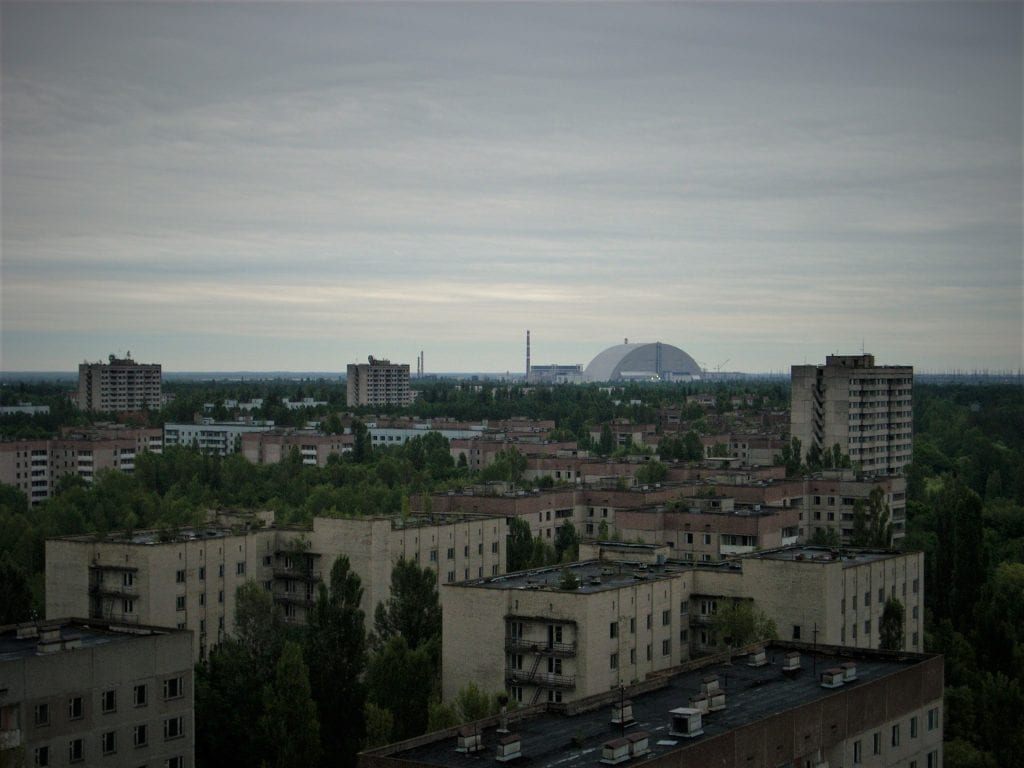
A temporary steel-and-concrete sarcophagus had been built over the destroyed reactor immediately after the accident, but by the 1990s it was already showing signs of structural instability. An international effort to replace it, funded through the Chornobyl Shelter Fund managed by the European Bank for Reconstruction and Development and backed by donations from 45 countries, resulted in the construction of the New Safe Confinement — a steel arch 105 metres high and 257 metres across, built on rails beside the reactor building and slid into place over the existing sarcophagus on 29 November 2016. Designed by the French consortium Novarka, it was intended to contain the radioactive remains of Reactor No. 4 for at least a century. Its cost: €1.5 billion.
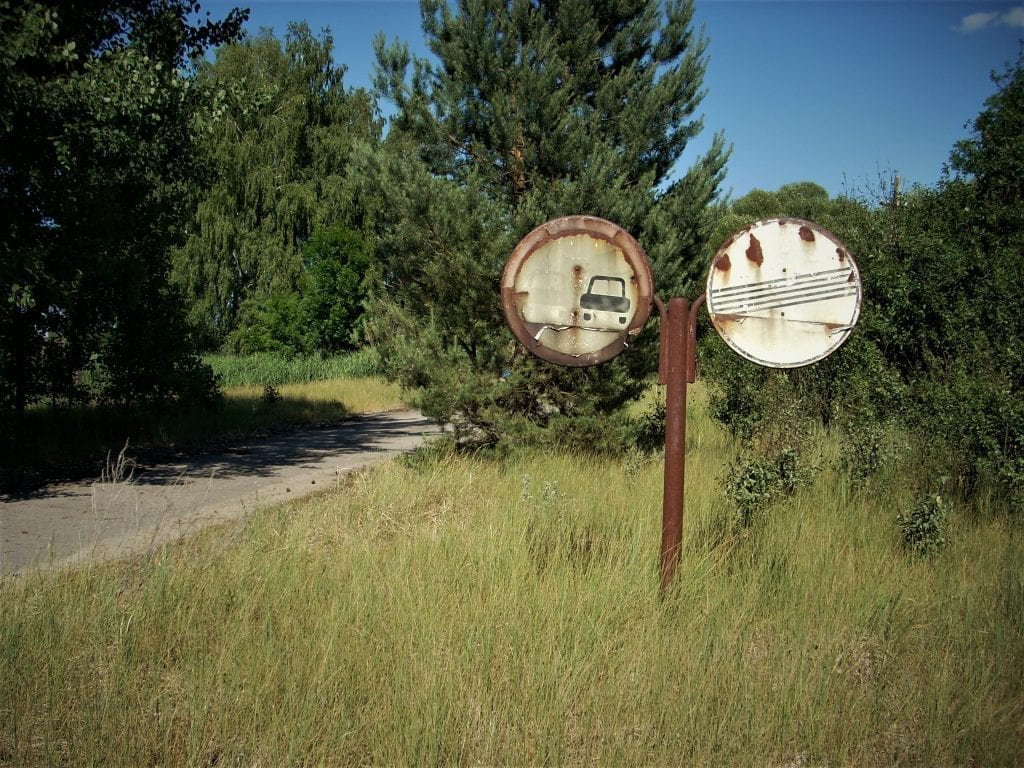
What We Found
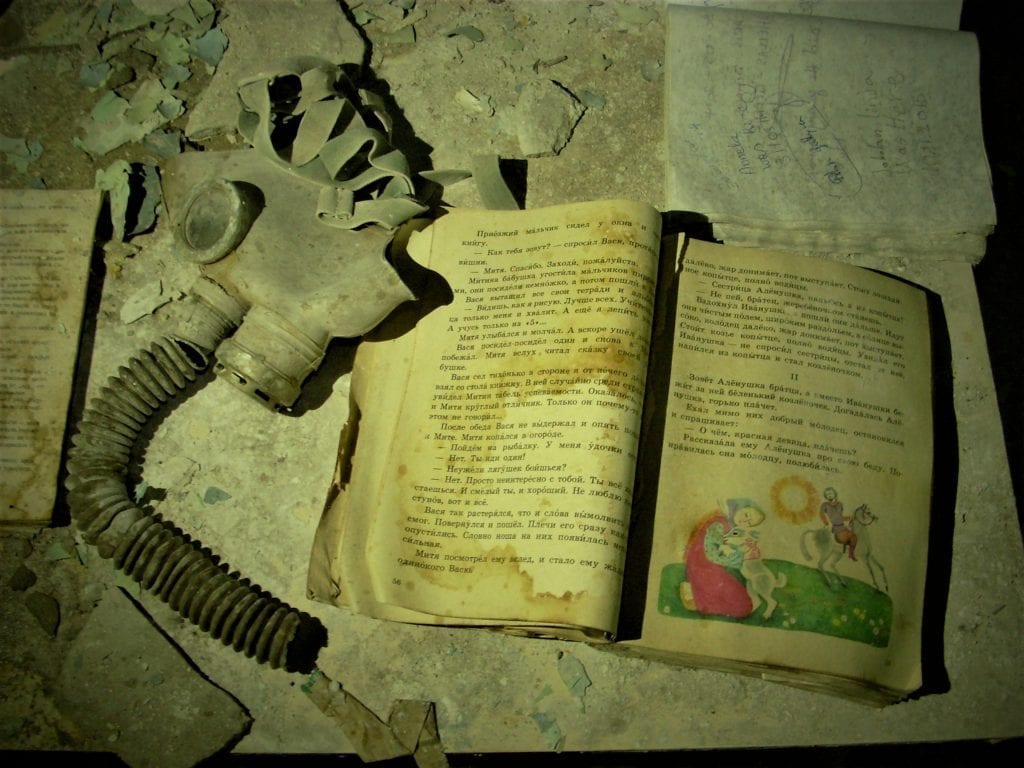
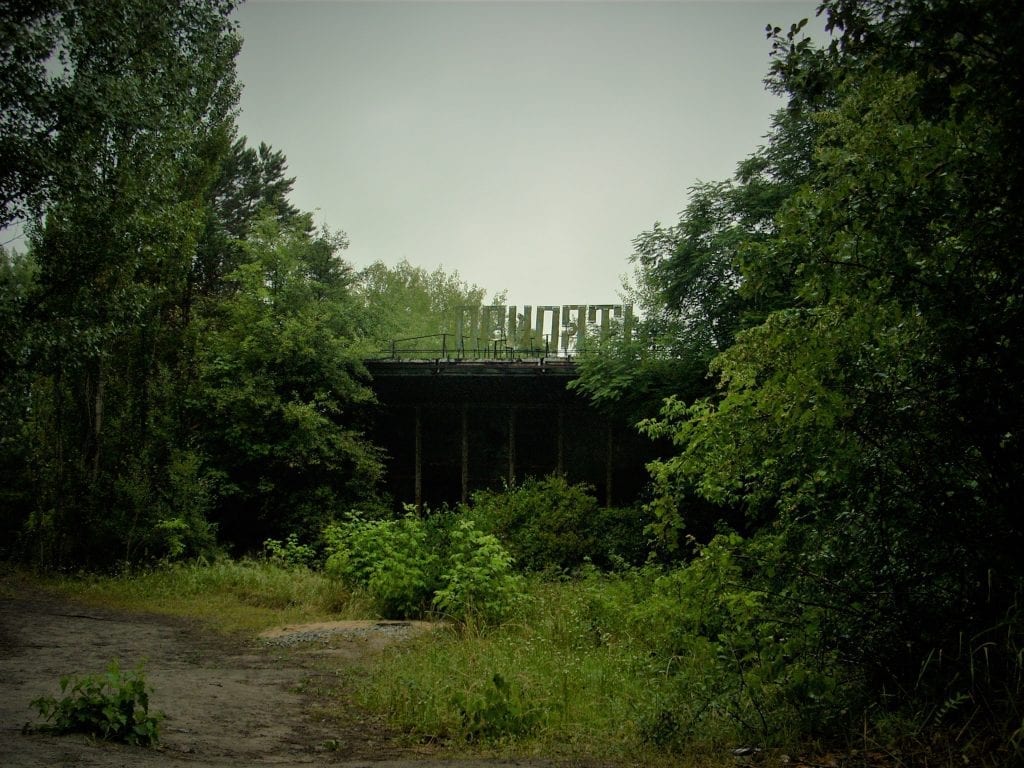
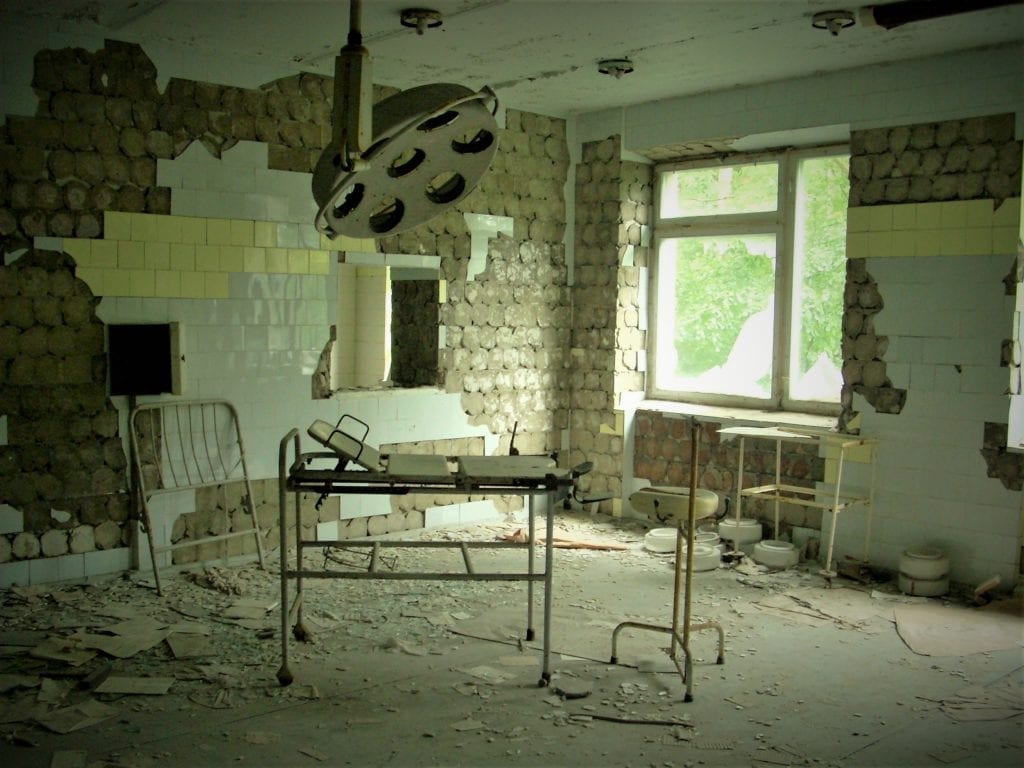
The following is the account published by Vladimir Litovchenko on Urbex Stalker in April 2019, preserved here as the original documentary source for this article. The photographs are his.
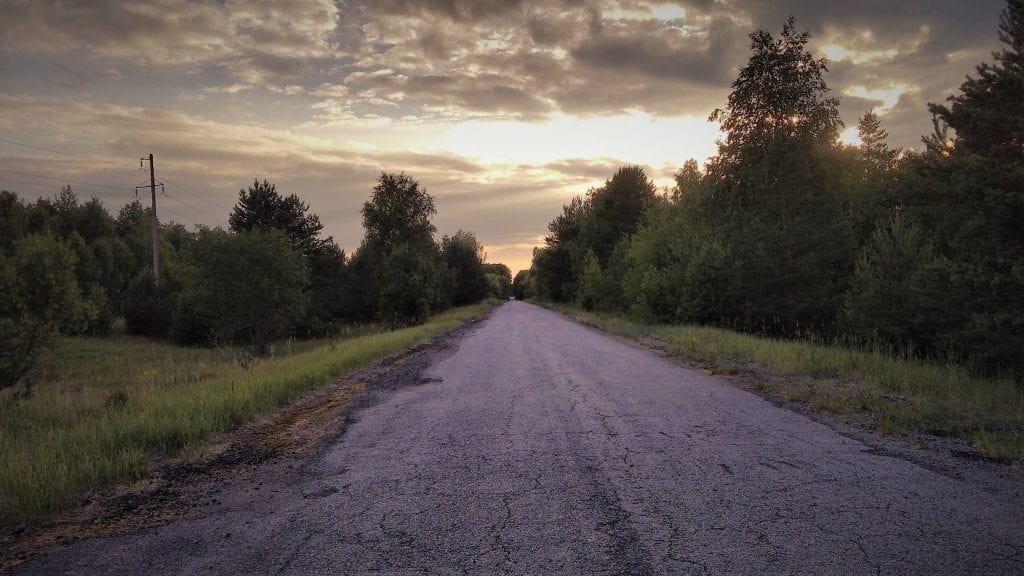
On 6 April 2019, the Chernobyl Zone in its Belarusian part was opened for tourists. This was announced by Maxim Kudin, deputy director of the Polesye State Radiation and Ecological Reserve, in an interview with OTN TV channel. According to him, in the Belarusian part of the zone, it would be possible to look at the evicted villages; at the same time there were no “burial grounds” of equipment and dead cities that were especially popular in the Ukrainian part. Radiation should not scare you: excursions would be laid in the most purified places.
At the time, two routes had been prepared for tourists. At the beginning, groups would be sent twice a month; later, excursions would become more frequent. The estimated price of the tour for a group of five people was 340 Belarusian rubles ($160). Until then, no Belarusian travel agency had been able to offer such an excursion with open access.
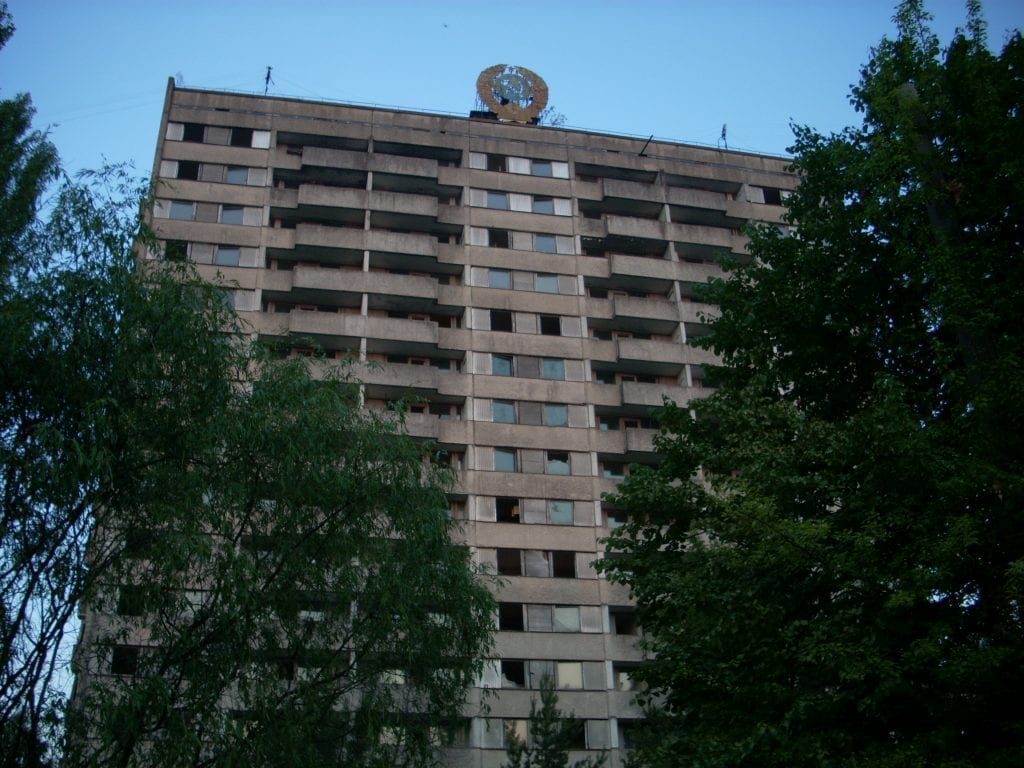
Current Status
As of April 2026, the two zones that share the Chernobyl disaster’s geography have followed sharply divergent paths.
Ukraine: The Zone Under War
The Ukrainian exclusion zone has been closed to tourists since March 2023 and remained closed as of the fortieth anniversary. The closure followed the Russian military occupation of the Chernobyl plant and its surrounding area in the opening days of the full-scale invasion, beginning 24 February 2022, when armoured vehicles entered Ukraine through the exclusion zone from Belarusian territory. Russian forces held the plant for just over a month before withdrawing; during the occupation, trenches were dug in the Red Forest — one of the most heavily contaminated areas on the planet — and research laboratory equipment was looted. The population of approximately 80 samosely (long-term returnees who had refused to leave after 1986) remained through the occupation.
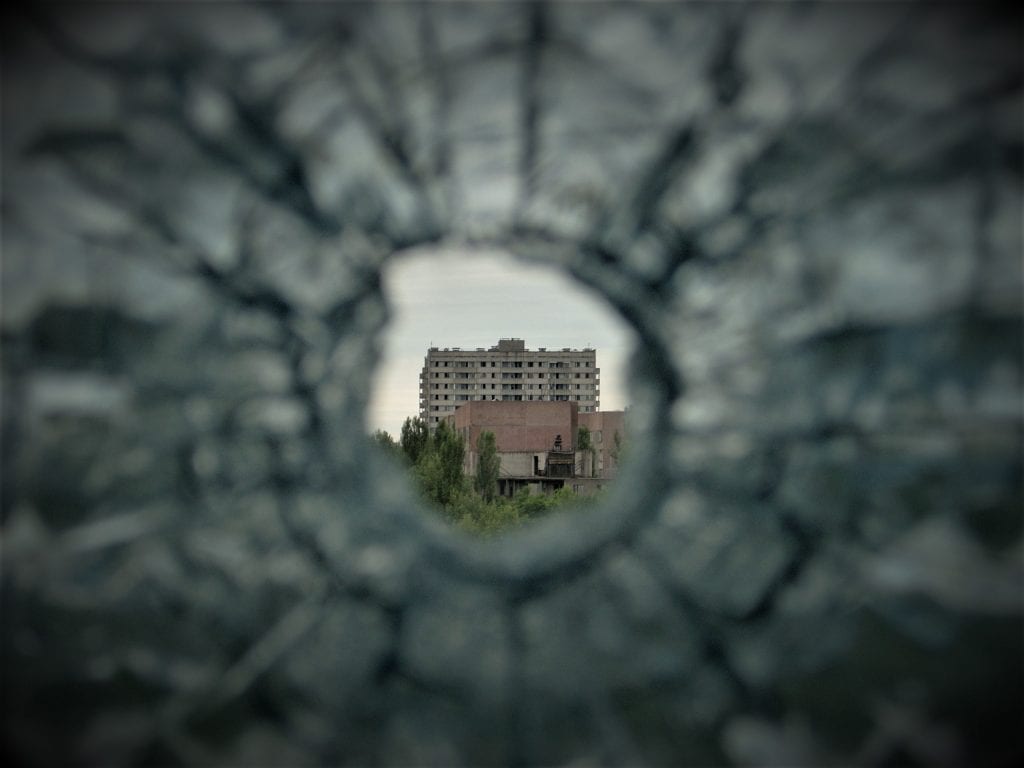
The damage did not end with the withdrawal. On 14 February 2025, a Russian Geran-2 drone struck the New Safe Confinement, puncturing its outer and inner cladding and igniting a fire in the insulation layer. No radioactive material was released into the environment, but the hole torn in the roof — larger than 46 square metres — compromised the structure’s primary function. By December 2025, the IAEA had completed its formal assessment: the New Safe Confinement had “lost its primary safety functions, including the confinement capability.” The load-bearing structure and monitoring systems remained intact, but comprehensive restoration was deemed essential. Repair cost estimates have ranged from $25 million in initial projections to nearly €500 million in later French government assessments. The EBRD has pledged financial support for a first phase of temporary repairs beginning in 2026. The plant’s own director, Sergiy Tarakanov, has warned publicly that another strike near the structure could trigger a collapse of the internal sarcophagus with potentially severe radioactive consequences. As of June 2026, the tourist exclusion remains in force, and no reopening timeline has been announced.
In 2019 — the same year our original report was published — nearly 100,000 tourists had visited the Ukrainian exclusion zone. That number was still rising when the invasion closed everything down.
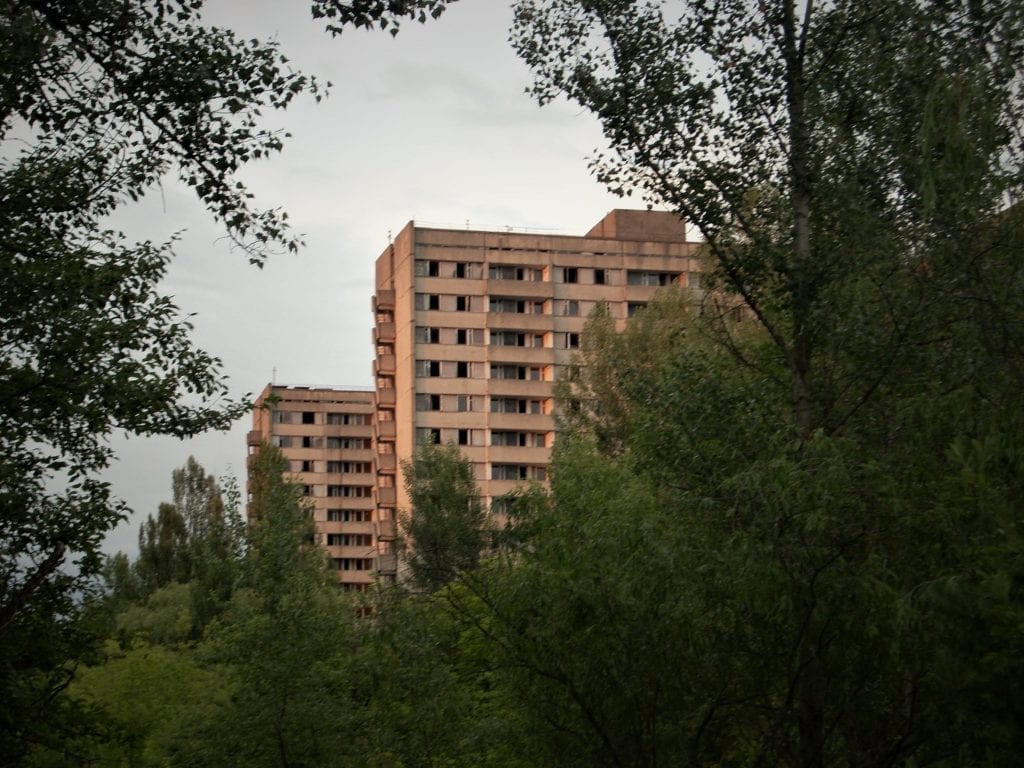
Belarus: Tourism Growing Despite the Border
The situation at the Polesie State Radioecological Reserve has evolved substantially since April 2019, when the Belarusian zone had just opened to the public and was offering two scheduled excursions per month. By 2025, the reserve recorded more than 3,100 visitors from over 40 countries, according to its director Aleksei Tishkovets, speaking at a press event marking the fortieth anniversary of the disaster. Visitors from Russia ranked second in frequency after Belarusian nationals. Three established routes now pass through the streets of evacuated villages; additional stops include a stud farm and an apiary where honey from reserve-kept bees is available for tasting.
The reserve itself has become something of an unintentional nature experiment. With no agriculture, hunting, logging or construction permitted for nearly four decades, the ecosystem has recovered in ways that were not anticipated. The territory now hosts European bison (Bison bonasus), brown bear, lynx, elk, Przewalski’s horse, golden eagle, white-tailed eagle and the world’s largest population of the European pond turtle, among more than 46 mammal species and 213 bird species. Over 1,250 plant species have been registered — more than two-thirds of the entire flora of Belarus — of which 18 are red-listed. The reserve is administered from the town of Khoiniki and operates on an annual budget of approximately $4 million USD.
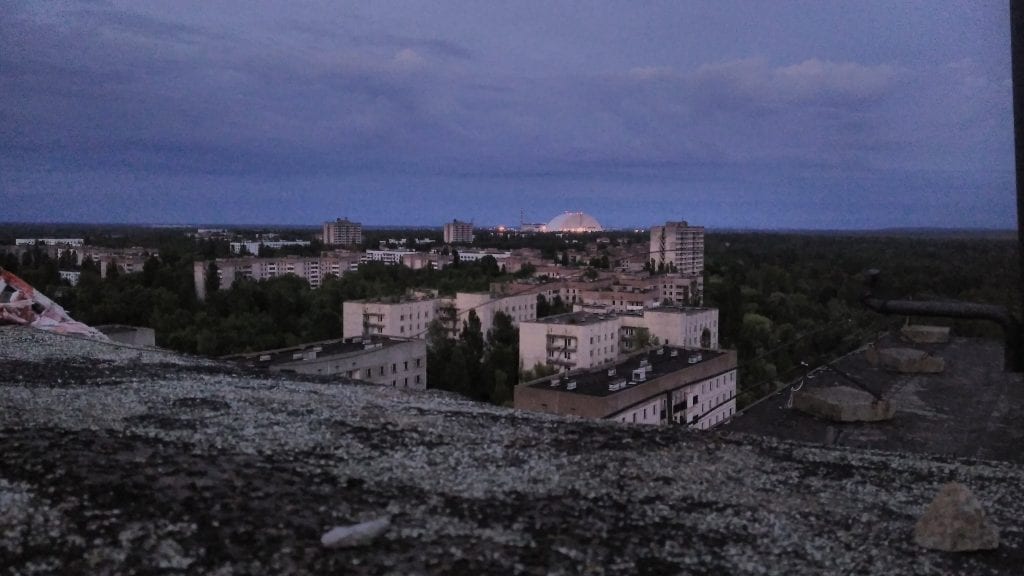
From an observation point within the reserve, in clear weather, the Chernobyl nuclear power plant is visible across the Ukrainian border — the arch of the New Safe Confinement, however compromised, still visible on the horizon.